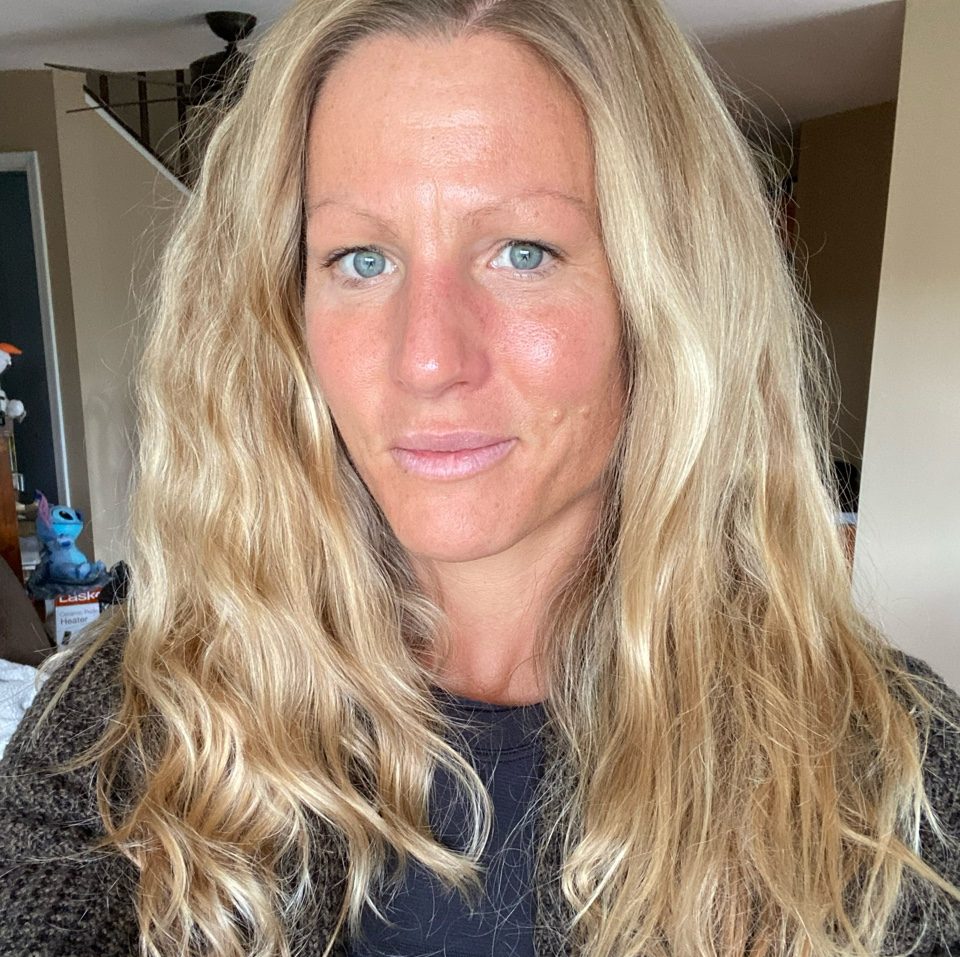
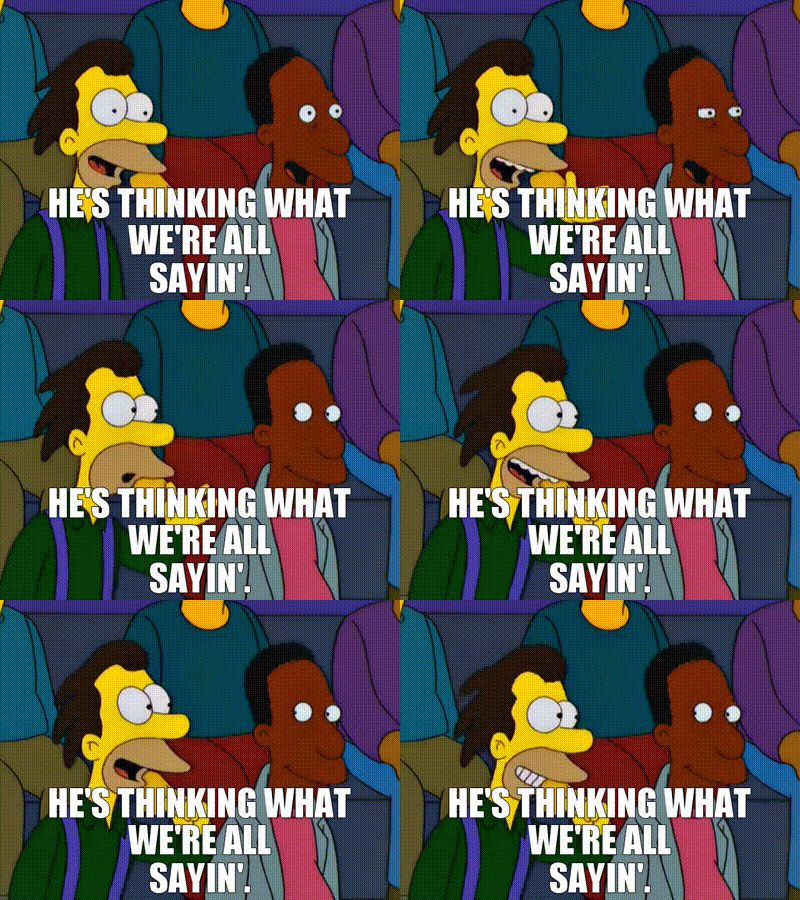
Some folks at work were talking about the first impressions we give to new people, and I involuntarily got looped into the conversation when one of them spotted me shuffling papers nearby. An easy target. Bullseye! 🎯
“With YOU,” they said, gesturing toward me, “my first impression was, ‘Whoa! That girl is overwhelmed!”
It’s moments like that when I’m reminded why I drank. Call me highly sensitive — no, really, go ahead; the shoe fits — but I think being pinned to a spot where you feel alienated and alone is one of the more excruciating aspects of human life in a civilized society. My instinct in those situations has always been to flee, whether it was lacing up my roller skates or hopping on my bike as a kid, beelining to the office door for a break-time walk every day of my professional life, or downing any “adult beverage” I could get my hands on to free my restless spirit from the anxiety-ridden pressure cooker of social gatherings/interactions.
Of course, when you’re four years sober, starting from scratch on the bottom rung of a brand new career and working in a fast-paced medical facility, all you can do is muddle through — and try your best not to lose your sh*t.
“Uh, yeah,” I replied, a baby deer trapped in a sudden flood of light, “I’m pretty sure anyone in my situation would be.”
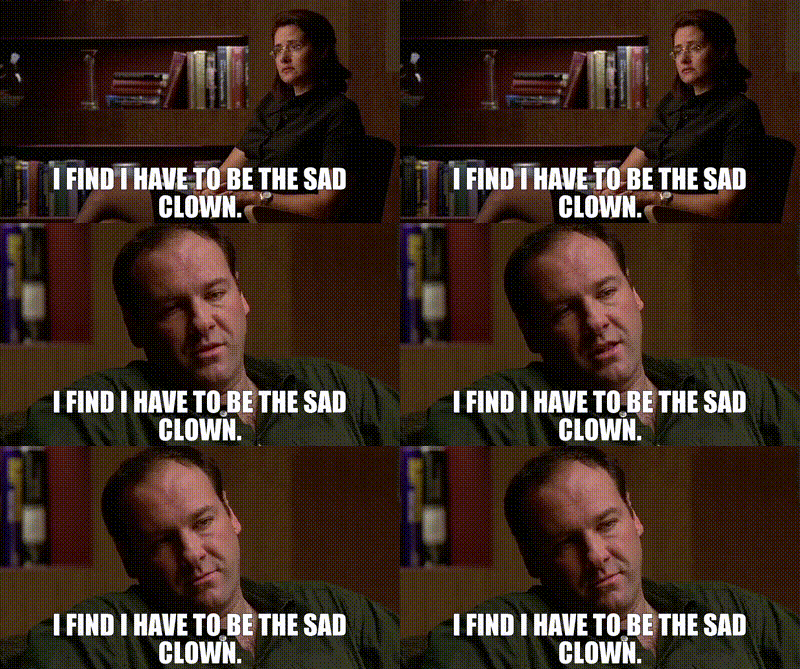
There’s a saying (one of the hundreds) you hear in AA that goes, “We’re all bozos on the bus.” And I truly believe that. We’re all clueless clowns in a big circus, bumbling around trying not to trip on our giant shoes as we mug for the crowd in hopes of making ’em smile. Some of us are just better at the makeup and costumes.
We’re all sore thumbs, to some extent, struggling to cope with the throbbing pain of our existence as we perform our role in the great big hand. Some of us just end up “sticking out” a lot more in the process.
I’ve always known which type of bozo I was born to be. Whatever genetic code predisposes you to mask the melodrama happening behind the scenes and to fall in line with all the other fingers, as part of “polite society” or the “popular clique” or whatever, mine got all jumbled up at the point of conception. And I’ve been “that girl” in every setting, ever since.
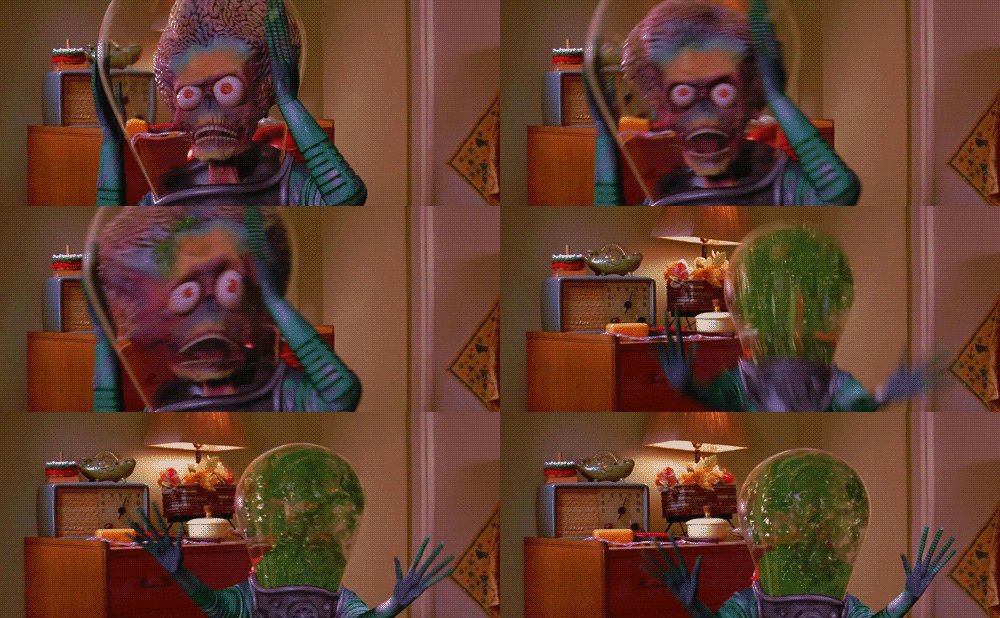
I’m the poor sap with her heart perpetually palpitating on the surface of her sleeve. I’m one of the creepy aliens from “Mars Attacks!” with the inner-workings of her brain laid bare for all to see. And this adorable part of my personality always seems to be wildin’ out, which usually comes back to bite me in the ass.
I’m fine when I’m on my own, and pretty OK when it’s one-on-one — in fact, I think introspection, perceptiveness and hypersensitivity are superpowers that will make me a good therapist someday… like, maybe when I’m 65, sporting a full head of gray hair?🤞🏻But groups, with all their unpredictable personalities and unwieldy dynamics, have always been my kryptonite.
Since I gave up drinking, it’s been even more difficult to keep my thoughts and feelings from exploding all over the place when I’m under pressure. Alcohol was the only thing I ever found that subdued me. It slowed my motor. It dulled my senses and muted my environment, so even if I was an outcast and everyone was judging me, I didn’t really feel it and/or didn’t really care. It was great!
Until, of course, it wasn’t…the age-old addict’s refrain.
God love me for making the brilliant decision to abandon my crutch at 41 and go back to school at 43. God help me, I opted to leave a career path where I could more or less keep to myself and dive headfirst into a helping profession where playing well with others is my fundamental duty. Being a counselor means dealing with all sorts of people — individuals and groups, clients and coworkers — on an intimate level every day, and being a counselor at a drug and alcohol clinic means juggling urine tests and treatment plans and calls from probation officers and a steady stream of other stuff you’re not prepared for, to boot.
I know I’m not the first newbie to stumble, drop the ball, or break one of their many spinning plates. This sh*t is hard work for the most seasoned pros! But it hits a little different for the one in the room who just can’t help letting ’em see her sweat. 😰
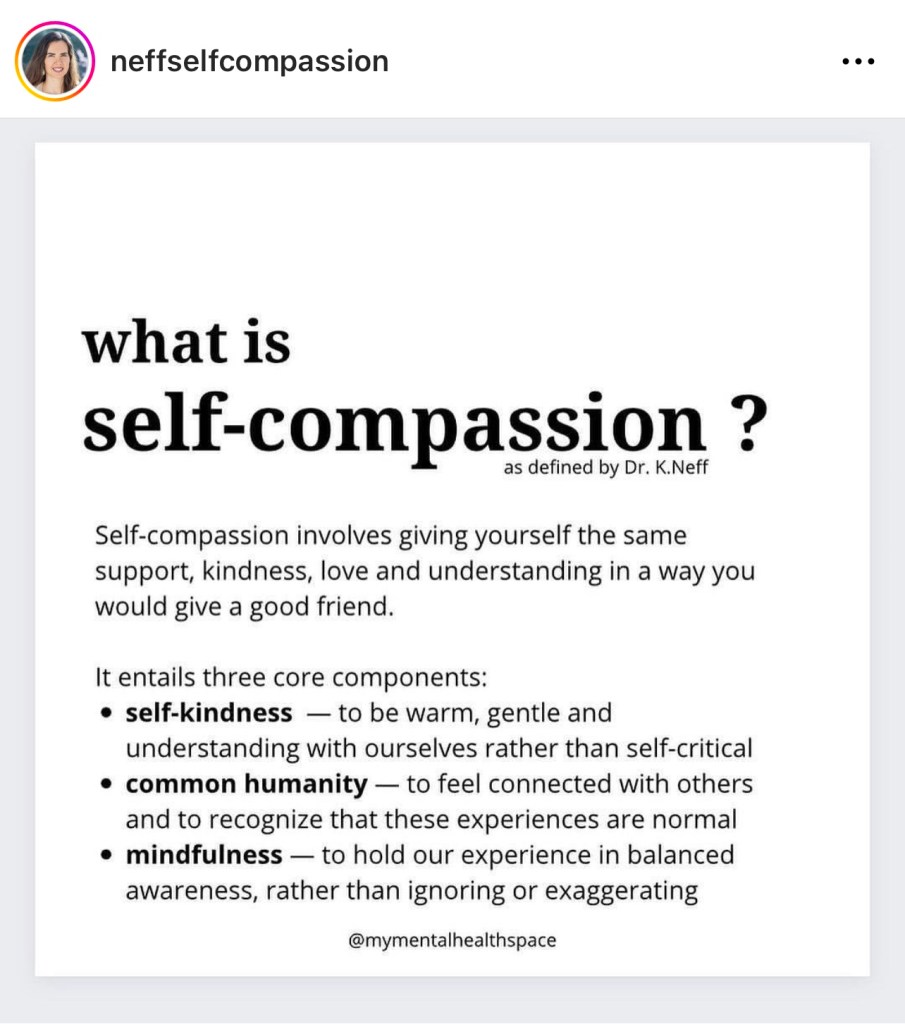
Kristin Neff’s concept of self-compassion has three key components: self-kindness, mindfulness, and common humanity. I’ve kind of adopted her work as a recovery roadmap, a blueprint for filling the hole in my soul that led to a 20-year addiction, an antidote to the crippling perfectionism that kept me grasping for external validation at the expense of my inner peace.
On that journey, I think “common humanity” is the key to starting the car.
There are few things in life more transformative than realizing, you’re not the only one. Feeling a sense of solidarity with others around you, when you’ve spent so much time, in your mind, as a freak who can’t seem to “fit into the culture” or “get with the program,” is like discovering a whole new world full of possibility and hope.
My fellow addicts get what I mean; so many of us who turned to substances to cope with chronic “otherness” have found support in 12-step circles, “quit lit” memoirs, recovery podcasts, sober folks on social media… And for the first time in maybe ever, we felt we belonged to something bigger. United in our suffering and shared experience, we tapped into the magic of connectedness — that “kinship of all living things” — which did indeed plant the seeds of self-compassion.
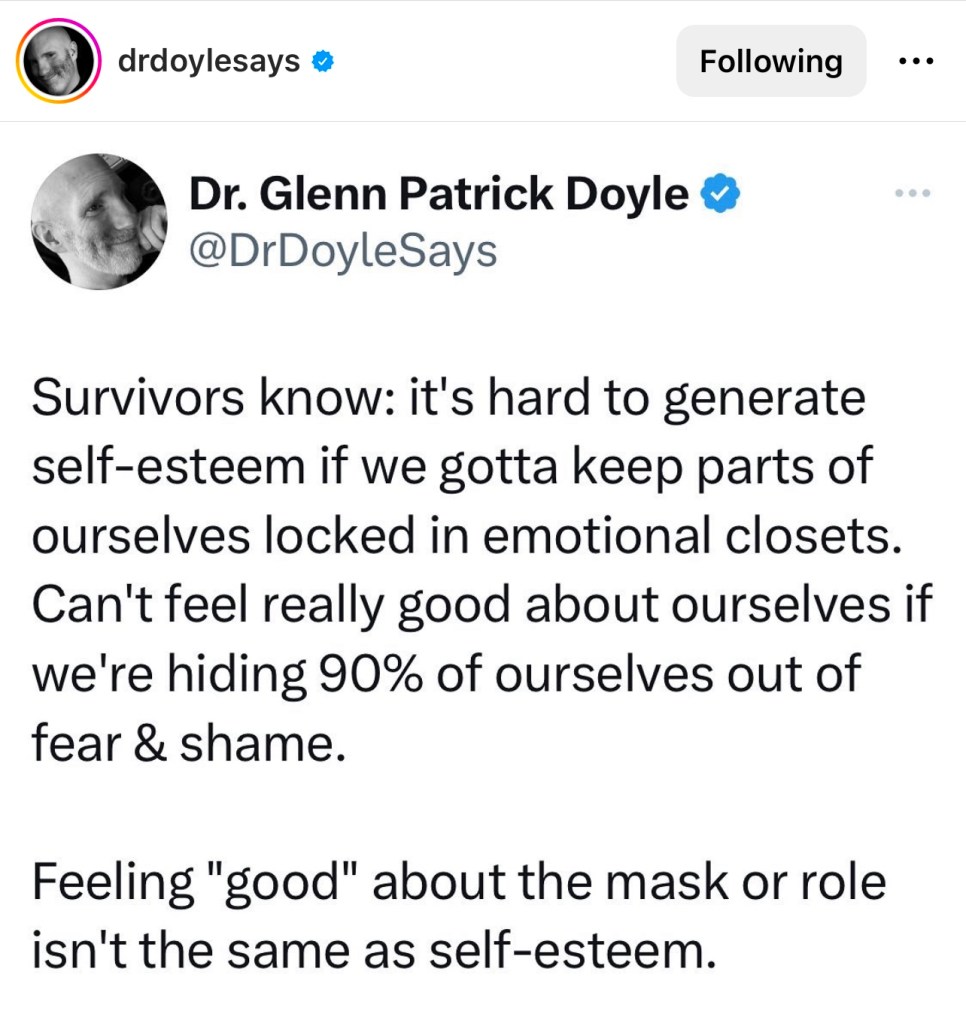
As difficult as it is for me to get close to other people — hell, I rarely spend more than a minute or two in a conversation before awkwardly backing away like Homer Simpson into the hedges — I have bonded with others in my profession who, as it turns out, have felt or still feel just as overwhelmed as I apparently look. I’ve taken great comfort in knowing that they too have been frustrated and angry and confused and sad, and they too have cried once or twice in the course of their workdays. They, too, have wondered what the f*ck they’re doing and why, and dreaded coming to work from time to time.
Their sh*t just isn’t on public display, as mine apparently has been.
They are better — more practiced, and therefore experienced — at keeping the inside on the inside. Some of them naturally have a good poker face. Others say they’ve learned to “play the game.” What do I take away from observing them? Each person must nurture their nature in a unique way, developing a professional persona through which they can effectively connect with others without betraying their own values and passions.
My values and passions are two more of my superpowers, and thus far, I’ve had them on full blast, spewing them out like cartoon vomit from a “Family Guy” character. I haven’t put enough work into swallowing — or, maybe more like wrangling them, and channeling them, so they can be used to my best advantage.
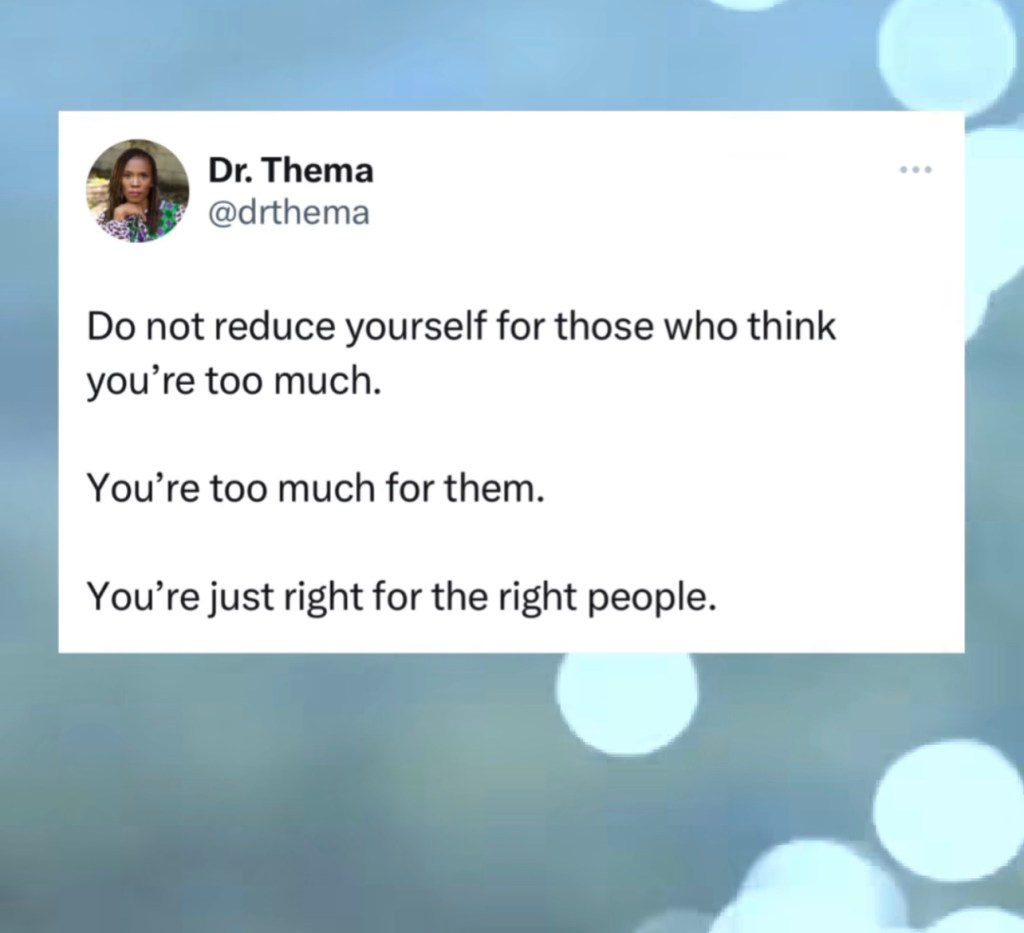
I suppose there’s always the chance my highly sensitive energy could be used against me — let’s face it: no one is for everyone, and I’m never going to be America’s Sweetheart, pleasing all and offending none — but what ultimately matters is how that energy impacts my clients. I might be conducting my sessions from a nursing home rocking chair by the time I find the perfect balance of authenticity and self-control, the ideal blend of personal and professional, but I know that one day I will be able to look back on the circus of my first counseling job with a contented smile — probably also a hearty laugh — and be grateful for the painful yet valuable lessons it taught me.
I’ll also feel deep compassion and big love for the messy, unabashedly emotional and obviously overwhelmed intern who was just trying to muddle through a new career in early sobriety with not much of a roadmap — and was strong enough to keep muddling when she wanted to run away. And that memory will only intensify my compassion and love for all the other messy, courageous, amazing people the universe sees fit to put in my path.
Having been a “bozo on the bus” from addiction to recovery, and now into service, I understand that aloneness is an illusion, and there’s solidarity to be found for all who would seek. My current scene in the human drama might be a black comedy. I may be Krusty to someone else’s Ronald McDonald — at least I’m not Pennywise or Arthur Fleck! — but the growing pains I’m going through are par for the universal course. How I deal with them probably looks different from the way you deal with yours, but hey, I guess you can always change the station if you don’t like the show! 🤡


 Jen Wielgus Journalism
Thanks Jen. Aloneness is an illusion. Thanks for that! I agree.
Peace.
LikeLiked by 2 people